A slip and fall at a gas station can happen in seconds, but the impact on your life can last months or years. If you’ve been injured due to a dangerous condition at a Las Vegas gas station convenience store, you’re dealing with more than just physical pain – you’re facing medical bills, missed work, and the stress of what comes next.
In Nevada, gas station owners have a legal duty to keep their premises reasonably safe for customers. This duty is called premises liability, and under Nevada law (NRS 41.130), when property owners fail to maintain safe conditions, they can be held responsible for your injuries.
Gas stations combine the hazards of a busy convenience store with unique dangers from fuel dispensing and often car wash facilities. Whether you slipped on a spilled Slurpee inside the 7-Eleven, tripped on broken pavement at a Chevron pump, or fell due to water from a Terrible Herbst car wash, the property owner may be liable for your injuries.
But fighting major oil companies and gas station chains is daunting. They have resources dedicated to minimizing payouts and know exactly how to defend slip and fall claims. With 40 years of experience as a personal injury attorney, Jack Bernstein understands the unique challenges of gas station accidents and knows how to build cases that hold these defendants accountable.
Jack’s got your back!
Why Hire Jack Bernstein Injury Lawyers?
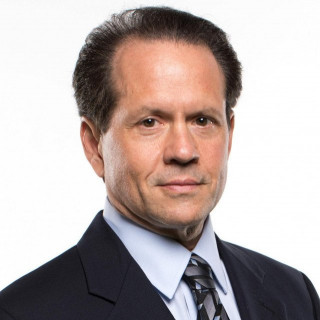
Jack G. Bernstein, Esq. has been protecting the rights of injured victims and their families for over 40 Years.



What Our Clients Say
I had a fantastic experience with Jack Bernstein injury attorney firm! The team was incredibly smart and supportive, guiding me through every step of my case. Their expertise and dedication made a significant difference in the outcome of my situation. I truly appreciate their assistance and highly recommend their services to anyone in need of a top-notch injury attorney.
– Ashley Sonson
What Should I Do Immediately After a Gas Station Accident?
What you do in the first hour after your gas station convenience store accident can make or break your case. Evidence in a 24-hour facility with constant traffic and hourly cleaning schedules disappears fast.
If you can only do three things right now:
- Take photos of where you fell and what caused it
- Get medical attention within 24 hours
- Don’t give any recorded statements to insurance
Here are the complete steps when you’re able:
Document Everything Before It’s Gone
Use your phone to take extensive photos and video before the next cleaning cycle. Most gas station convenience stores follow a 2-hour floor check protocol during day shifts and 4-hour cycles overnight. Document the specific spot where you fell – whether it’s brown coffee spreading under the cream station, clear soda making the floor look merely wet when it’s actually sticky and slick, or that nearly invisible sheen from the nacho cheese machine.
Why timing matters: Morning shift changes at 6am and 2pm mean new staff who didn’t see the hazard develop. The overnight clerk working alone from 11pm-6am can’t monitor both the register and floor conditions. These operational realities matter for proving how long a hazard existed.
Critical for gas stations: Keep your receipt showing the exact time and register number. Gas stations have multi-angle surveillance systems, but footage gets overwritten every 30-90 days. Your receipt timestamp helps preserve the specific footage needed.
Also preserve physical evidence: Seal your shoes and clothing in a bag. Different substances leave different evidence – coffee shows brown staining, fuel leaves an oily film, and fountain drink syrup remains sticky even after drying. This physical evidence proves what caused your fall when the store claims they “don’t know what you slipped on.”
Get Witness Information
If anyone saw your accident – other customers, vendor delivery drivers stocking shelves, or gas station employees – get their names and phone numbers immediately. Early morning witnesses (4-7am) are often vendors who service multiple stores and won’t return for a week. Late night witnesses might be casino workers stopping after their shift who you’ll never find again.
File an Incident Report
Insist on filing an official report with a manager, not just the clerk. Here’s what many people don’t know: overnight and early morning shifts often have no manager on site. The clerk might claim they “can’t” file a report, but they can and must document the incident.
DO say:
- “I slipped on liquid by the coffee station at 7:42am”
- “I fell on a wet floor near the Slurpee machine”
- “I tripped on the torn mat at the entrance”
- “I am injured and require medical attention”
DON’T say:
- “I wasn’t watching where I was going”
- “I’m usually more careful”
- “It’s probably nothing serious”
Important: Get a copy of the incident report or photograph it before leaving. Some stations claim their “system is down” or they’ll “email it later.” Don’t leave without documentation.
Seek Medical Attention Immediately
Go to urgent care or the ER within 24 hours. Convenience store floors are unforgiving – polished concrete designed for durability, not safety. When you fall on these surfaces, what seems like minor soreness often develops into serious soft tissue damage, herniated discs, or concussion symptoms that appear days later.
Do I Have a Valid Gas Station Case?
Even if you stop at this Circle K or AM/PM every morning for coffee, that doesn’t make you responsible for hazards their staff failed to address. Under Nevada law, gas stations owe customers a heightened duty of care because you’re invited onto the property for the business’s economic benefit.
What Proves the Gas Station Was Negligent
To have a valid case under Nevada premises liability law, we must show:
A dangerous condition existed: Spills, leaks, damaged flooring, or other hazards were present in the convenience store, at the pumps, or on the property.
The station knew or should have known: The hazard existed long enough that reasonable inspection would have discovered it. Gas stations have specific inspection intervals – every 2 hours during peak times, every 4 hours overnight.
They failed to fix it: No cleanup occurred, no repairs were made, and no warning signs were posted.
This caused your injury: You were hurt as a direct result of their negligence.
Common Gas Station Convenience Store Hazards That Create Strong Cases
Most gas station slip and falls happen inside the convenience store where customers spend time selecting items, fixing coffee, and waiting in line. The coffee station is ground zero for accidents. Between 5am-10am, hundreds of customers prepare complicated coffee drinks. Steam from fresh brewing creates condensation that drips constantly. Cream and sugar spills accumulate. The floor becomes a hazardous mix of hot liquid, dairy products, and granulated sugar that turns into a slick paste. Why does this persist? Because the morning clerk is handling fuel transactions, lottery tickets, and cigarette sales for a line of impatient commuters.
Self-serve fountain drinks create unique dangers unlike any other retail environment. The syrup-to-carbonation ratio in these machines requires specific pressure. When calibrated incorrectly – which happens whenever syrup boxes are changed – the fountain sprays rather than pours. Customers don’t report these oversprays; they just walk away, leaving sticky puddles that turn clear tile into an ice rink. The physics of corn syrup makes these spills particularly dangerous: unlike water that evaporates, syrup remains tacky for hours, causing shoes to suddenly stick then release, throwing people off balance.
Cooler and freezer condensation follows predictable patterns. These units run hardest during Vegas’s extreme heat, creating more condensation between 2pm-7pm. The refrigeration cycles every 20 minutes, and each cycle drops water that maintenance should be catching with drip pans. When those pans overflow or aren’t properly positioned, water spreads across aisles. What makes this especially dangerous is that cold water on sealed concrete creates less surface tension than regular spills – it’s actually slicker than oil.
The hot food zone presents hazards you won’t find at regular retail stores. Gas stations serving pizza, hot dogs, and nachos create grease vapor that settles on floors. This isn’t visible like a spill – it’s an accumulated film that builds up over a shift. The area within six feet of any heat lamp or warming display becomes progressively more dangerous throughout the day.
Bathroom neglect is worst during solo night shifts. From 11pm-6am, most Las Vegas gas stations have one employee who cannot leave the register unattended. Bathroom checks that should happen hourly get skipped entirely. Toilets overflow, sinks leak, and water spreads into hallways. By morning, what started as a small leak becomes a major hazard.
Why Morning Deliveries Create Hidden Dangers
Here’s what customers don’t see: vendor deliveries happen between 4am-7am. Pepsi, Frito-Lay, Hostess, and beer distributors all converge during these hours. They use hand trucks and dollies that track in morning dew, create puddles from refrigerated trucks, and leave cardboard debris that becomes slippery when wet. Vendors stock their products and leave – they’re not responsible for cleaning up their mess. The morning clerk, already overwhelmed with commuter traffic, doesn’t have time to constantly mop vendor routes.
The Franchise Ownership Maze
When you’re injured at a gas station convenience store, determining who’s liable becomes complex. Here’s the typical structure:
The land owner (often a real estate investment trust) owns the property and leases it to an operator. They’re responsible for structural maintenance, parking lot conditions, and major equipment.
The franchise operator runs the day-to-day business. They might be a small business owner with one location or a corporation with dozens. They control staffing, cleaning schedules, and store maintenance.
The brand licensor (like 7-Eleven Corporation or Circle K) sets operational standards, requires specific insurance, and mandates safety protocols. They profit from every sale but claim they don’t control daily operations.
Commission operators complicate things further. Some gas stations lease their convenience store operation to a third party who pays commission on sales. Now you have another layer of insurance and liability.
This structure isn’t accidental – it’s designed to minimize liability by creating confusion about who’s responsible. Jack’s 40 years of experience means he knows how to identify every responsible party and their insurance coverage.
Vegas-Specific Hazards That Strengthen Your Case
24-hour operations create unique dangers. Unlike grocery stores that close for thorough cleaning, Las Vegas gas stations never stop. Hazards accumulate over days, not hours. The Tuesday night spill might still be there Thursday morning because no deep cleaning ever happens.
Casino shift patterns create four daily rush periods instead of the typical two: 6am (graveyard ending), 2pm (day shift ending), 10pm (swing shift ending), and 2am (bars closing). Each rush means overwhelmed staff and delayed hazard response.
Tourist confusion amplifies dangers. Visitors from full-service states (Oregon, New Jersey) don’t know self-serve protocols. They overfill coffee, misuse fountain machines, and create spills at higher rates. During convention weeks, certain stations see 300% more traffic with the same staffing levels.
Extreme temperature swings affect everything. Summer heat above 115°F causes tile adhesive to fail, creating uneven surfaces. Monsoon storms bring flash flooding that overwhelms drainage. Winter tourists from warm climates don’t wipe their feet, tracking in more water than locals would.
Outdoor and Pump Area Hazards
While most gas station accidents happen inside the convenience store, outdoor hazards include:
Fuel pump dangers: Diesel fuel has different properties than gasoline – it’s oilier and doesn’t evaporate quickly. When diesel spills occur (common at stations serving trucks), they create long-lasting slick spots. The concrete at pump islands becomes polished from constant traffic, reducing traction even when dry.
Parking lot neglect: Unlike the convenience store that gets some attention, parking lots are often ignored for weeks. Oil spots from leaking vehicles combine with Vegas dust to create a surface as slippery as ice. Broken asphalt from heavy delivery trucks creates trip hazards.
Car Wash Slip and Fall Hazards
If the gas station has a car wash, additional dangers exist. Modern car washes use recycled water systems that concentrate soap and chemicals with each cycle. This “gray water” is slicker than fresh soap and water. Drainage grates get clogged with dirt and debris, causing water to pool in unexpected areas. The transition zone between the car wash exit and parking lot becomes treacherous as cars drip concentrated soap and water across pedestrian paths.
Car wash accidents often involve equipment malfunction – brushes that don’t stop, doors that close unexpectedly, or excessive water discharge that floods adjacent areas. These mechanical failures point to maintenance neglect that strengthens your case.
What If I Was Partially at Fault?
Nevada follows a modified comparative negligence rule. You can still recover compensation as long as you weren’t more than 50% at fault. The gas station will argue you were distracted, wearing inappropriate shoes, or should have seen the hazard. These are predictable defense tactics.
Example: If your damages total $100,000 and you’re found 30% at fault for texting while walking, you’d still recover $70,000. But if you’re found 51% or more at fault, Nevada law bars recovery entirely.
When Cases Are Harder to Win
Be honest about factors that can weaken your claim:
- You clearly ignored wet floor signs or cones
- You were intoxicated (even if legally)
- You entered an area marked “Employees Only”
- The spill literally just happened seconds before
- You waited weeks to seek medical treatment
- You gave a recorded statement saying you were “fine”
Even with challenges, cases can succeed. Warning signs placed after you fell don’t protect the store. Being a regular customer actually helps – you know the normal conditions and can testify this hazard was unusual.
When You Need Legal Help Immediately
Call an attorney right away if:
- You suffered serious injuries requiring emergency treatment or surgery
- The station refuses to provide incident documentation
- Employees admitted “this keeps happening” or “we’ve been meaning to fix that”
- You’re being pressured to sign anything or accept gift cards as “compensation”
- The hazard involves equipment failure (leaking coolers, broken pumps)
Critical deadline: Nevada law gives you two years to file suit, but evidence disappears fast. Security footage overwrites in 30-90 days. Employees quit or transfer. Hazards get fixed, eliminating proof they existed.
Protecting Yourself From Insurance Company Tactics
After your gas station convenience store accident, you’ll hear from insurance adjusters representing multiple parties – the property owner, the operator, possibly the brand, and maybe commission operators. Each has one goal: pay you as little as possible.
With 40 years of experience as a personal injury attorney, Jack knows their playbook and builds your case to defeat their predictable tactics.
The Recorded Statement Trap
Within 48 hours, a friendly adjuster will call “just to check on you” and ask for a recorded statement. Never give one without an attorney present.
They’ll ask seemingly innocent questions designed to destroy your case:
- “How often do you shop there?” (establishing you knew the layout)
- “What were you doing right before you fell?” (fishing for distraction)
- “Are you feeling better today?” (minimizing ongoing pain)
- “Had you been anywhere else before the accident?” (looking for alternative causes)
Corporate Insurance Tactics
The shell game: Each entity (property owner, operator, brand) claims another is responsible. They’ll make you chase multiple insurance companies, hoping you’ll give up or accept a lowball offer from whoever pays first.
The missing evidence excuse: “Unfortunately, our video system wasn’t working” or “That footage has already been deleted.” Strange how evidence always disappears when it would help you.
The comparative negligence inflation: They’ll claim you were 51% at fault to bar recovery entirely under Nevada law. Every gas station slip and fall victim was apparently “running,” “on their phone,” or “wearing inappropriate shoes.”
The Best Response
“I am focusing on my medical treatment and recovery. My attorney will be in contact with you to handle all aspects of my claim.”
This simple statement, perfected over Jack’s 40 years of practice, immediately tells insurers you won’t be manipulated.
Understanding Your Gas Station Injuries and Compensation
Gas station convenience store injuries are often severe because of the unique environment – hard floors, cramped spaces with sharp corners and metal shelving, and unexpected falls with no opportunity to brace yourself.
Why Gas Station Injuries Are Serious
Polished concrete is unforgiving: These floors are sealed with epoxy for easy cleaning, creating a surface harder than typical retail flooring. The same fall that causes bruising at a department store can cause fractures at a gas station.
Confined spaces mean multiple impacts: Convenience store aisles are narrow. When you fall, you’re likely to hit shelving, counters, or displays on the way down. Head injuries often involve hitting both the shelf edge and the floor.
Chemical exposure complicates injuries: Gas station spills often involve cleaning chemicals, automotive fluids, or hot coffee. Burns and chemical irritation compound impact injuries.
Delayed symptom onset: The adrenaline from falling in a public place masks pain. Customers often decline immediate medical attention out of embarrassment, only to experience severe symptoms hours or days later.
Types of Compensation Available
Economic damages cover measurable losses:
- Emergency room visits and hospitalization
- Surgery and ongoing medical treatment
- Physical therapy and rehabilitation
- Lost wages and reduced earning capacity
- Travel costs to medical appointments
- Household help you now need
Non-economic damages compensate for human impact:
- Physical pain and suffering
- Emotional distress and anxiety about falling again
- Loss of enjoyment of activities you can’t do anymore
- Permanent scarring or disfigurement
- Impact on intimate relationships
Why You Shouldn’t Accept Quick Settlements
Insurance companies know most people have never been through this process. They exploit your inexperience by offering $3,000-$5,000 within days of your fall, before you understand your injuries’ extent.
Red flags in settlement offers:
- Pressure to decide within 24-48 hours
- Claims this is their “standard offer” or “best and final”
- Requirements to sign a full release for all possible claims
- No accounting for future medical needs
- Payment coming from only one insurance policy when multiple apply
Never settle before reaching “maximum medical improvement” – when doctors can determine if you’ll have permanent limitations. A herniated disc from falling at a gas station might require surgery months later. Once you sign a release, you can’t come back for more money.
Why Choose Jack Bernstein for Your Gas Station Case
Gas station injury cases require understanding complex ownership structures, multiple insurance policies, and operational realities that affect liability. Generic personal injury lawyers miss crucial opportunities to maximize recovery.
40 Years of Experience
Jack has been a personal injury attorney for over four decades. His extensive Las Vegas practice means he’s handled injuries at every major gas station chain and knows their specific defense strategies. When Terrible Herbst claims their franchise agreement absolves them of liability, Jack knows the counterarguments. When 7-Eleven produces a cleaning log that seems complete, Jack knows what to look for that proves it’s fabricated.
What Jack’s Experience Means for Your Case
Identifying all defendants: After 40 years, Jack recognizes the corporate structures that hide liability. He identifies the property owner through assessor records, the operator through business licenses, equipment lessors through UCC filings, and commission operators through liquor licenses. Each defendant means additional insurance coverage.
Proving systematic neglect: One spill might be bad luck. Jack’s experience recognizes patterns – the same Circle K has wet floors every morning because they understaff the coffee rush. The same Chevron has cooler leaks because they defer maintenance. Pattern evidence dramatically increases case value.
Defeating predictable defenses: Gas stations use the same arguments repeatedly. Jack has spent decades developing counter-strategies. When they claim “open and obvious,” he shows how their negligence created the hazard. When they blame your shoes, he demonstrates the floor was dangerous in any footwear.
You Work Directly With Jack
Large firms assign gas station cases to junior associates learning on your claim. Here, Jack personally handles your case from investigation through resolution. His 40 years of experience work for you, not training someone else.
We Handle Everything
While you focus on healing, we handle every aspect:
- Preserving video evidence before deletion
- Investigating ownership and insurance structures
- Coordinating with your medical providers
- Hiring experts if needed to prove negligence
- Fighting insurance companies’ delay tactics
- Negotiating from strength, not desperation
No Fee Unless We Win
We work on contingency – you pay nothing unless we successfully resolve your case. No upfront costs, no bills while your case proceeds. We advance all costs and get reimbursed only from a successful settlement or verdict.
Frequently Asked Questions
Q: How long do I have to file a gas station slip and fall lawsuit in Nevada?
A: Two years from your accident date, but evidence vanishes much faster. Video deletes in 30-90 days. Witnesses disappear. Physical hazards get repaired. Contact us immediately to preserve crucial evidence.
Q: What is my gas station convenience store injury case worth?
A: Case value depends on injury severity, medical costs, lost wages, and negligence clarity. Minor injuries with quick recovery might be worth $15,000-$30,000. Serious injuries requiring surgery can exceed $100,000. Permanent injuries often result in six-figure settlements. We evaluate your specific case during a free consultation.
Q: Can I sue if I fell outside at the pump or car wash?
A: Yes. Gas stations must maintain their entire property safely – pumps, car washes, parking lots, sidewalks, and air stations. Each area has unique hazards creating different liability theories.
Q: What if I shop there every day – will they ban me?
A: Major chains rarely ban injured customers – it looks terrible if revealed during litigation. Local stations might react emotionally, but Jack handles all communication to prevent retaliation. Your right to compensation outweighs shopping convenience.
Q: Different gas station chains handle claims differently – how?
A: Major corporations like 7-Eleven have in-house legal teams and fight everything. Regional chains like Terrible Herbst often settle reasonably to protect their local reputation. Independent stations might have minimal insurance. Jack’s 40 years of experience means knowing each defendant’s approach and adjusting strategy accordingly.
Take the First Step Today—It’s Free
Gas station convenience store accidents cause serious injuries that disrupt your entire life. Medical bills pile up. Work becomes impossible. Simple activities cause pain. Insurance companies offer insulting settlements while their lawyers protect corporate profits.
Contact Jack Bernstein Injury Lawyers today for a free, no-obligation consultation. You’ll speak directly with Jack, not a paralegal or intake specialist. He’ll listen to your story, explain your rights under Nevada law, and provide an honest assessment based on four decades of experience handling gas station cases.
When a gas station’s negligence caused your injuries, you shouldn’t bear the financial burden alone. Let us handle the legal complexities while you focus on healing.
Call us 24/7 at (702) 633-3333 or fill out our simple online form.
Jack’s got your back!