If you were hurt at Allegiant Stadium, T-Mobile Arena, the Sphere, or another Las Vegas venue, you may be wondering whether you have any legal options. After all, your ticket probably said you “assume all risks.”
That language scares a lot of people away from pursuing legitimate claims. It shouldn’t.
Assumption of risk does not cover negligent maintenance, broken equipment, inadequate security, or dangerous conditions the venue created. Under Nevada premises liability law (NRS 41.130), venues still owe you a duty of reasonable care. A ticket disclaimer does not authorize wet concourses, broken escalators, or security that ignores threats.
Your consultation is free and confidential. We do not judge how the injury happened. We focus on what the venue failed to do.
Why Hire Jack Bernstein Injury Lawyers?
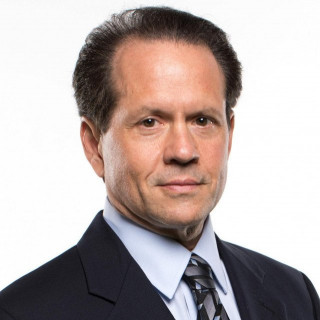
Jack G. Bernstein, Esq. has been protecting the rights of injured victims and their families for over 40 Years.



What Our Clients Say
I had a fantastic experience with Jack Bernstein injury attorney firm! The team was incredibly smart and supportive, guiding me through every step of my case. Their expertise and dedication made a significant difference in the outcome of my situation. I truly appreciate their assistance and highly recommend their services to anyone in need of a top-notch injury attorney.
– Ashley Sonson
What To Do Immediately
Arena evidence disappears fast. Footage retention varies by venue and event. Event-specific cameras are dismantled within hours.
If You’re Still At The Venue:
- Keep your ticket and note your seat location. Section, row, and seat numbers allow us to request footage from the specific cameras covering your area. General “arena footage” requests often get denied. Precise location requests are harder to refuse.
- Report to BOTH venue staff AND event staff. At most events, the venue (Allegiant Stadium) and the event producer (Live Nation, the Raiders organization) are separate entities with separate incident reporting systems. Get report numbers from both.
- Get medical attention and describe the mechanism. “I fell on wet stairs in Section 214” creates documentation linking your injury to a specific hazard and location. Vague descriptions help the defense.
- Identify security witnesses. If security responded (or failed to respond), get names or badge numbers. Security contractors are often separate companies from the venue, and their employees may be more forthcoming than venue staff.
- Photograph before you leave. The hazard will be cleaned up. The crowd will disperse. Once you leave, the scene is gone.
If You’re Already Home:
Your case is not lost. Many people do not realize they have a claim until after returning home.
- Write down everything you remember. Exact location, what caused the injury, who you spoke with, what they said. Details fade quickly.
- Gather what you have. Ticket stubs, parking receipts, credit card statements, photos from the event (check backgrounds for hazard evidence).
- Get medical records. If you sought treatment at the venue or afterward, request copies. Make sure your records describe how the injury happened.
- Call us. Nevada law applies regardless of where you live. We can handle out-of-state cases and coordinate everything remotely.
Yes, You Can Sue Even With “Assumption Of Risk” Language
Venues will argue: “You knew attending a concert involves crowds. You assumed the risk.”
This defense fails when we prove the venue was negligent. Assumption of risk covers inherent risks of the activity, not hazards created by the venue’s failures.
What assumption of risk covers:
- A foul ball at a baseball game hitting you in an unscreened area
- Jostling in a standing-room concert crowd
- Loud noise at a rock concert
What assumption of risk does NOT cover:
- A spill on the concourse that was not cleaned for two hours
- Broken escalators that the venue knew about
- Security that ignored reported threats before an assault
- Crowd crush caused by inadequate exit management
- Railing failures, seating collapses, falling signage
Nevada courts have rejected expansive “assumption of risk” defenses. In Rolain v. Wal-Mart Stores, Inc., 135 Nev. 213 (2019), the Nevada Supreme Court held that visitors are entitled to assume premises are reasonably safe. A venue cannot escape liability simply because a hazard was “obvious” or because ticket language says you “assume all risks.”
Our job is to prove the venue knew about a dangerous condition and failed to act. That requires obtaining incident logs, maintenance records, security reports, and prior complaints about the same hazard.
Venues We Handle
Different venues present different hazards. Select the specific venue below for detailed information on their operations and liability exposure:
Stadiums
- [Allegiant Stadium Injury Lawyer] – 65,000+ capacity creates mass exit bottlenecks. Steep upper-deck seating. Extreme heat exposure in open-air sections during day events.
- [Las Vegas Ballpark Injury Lawyer] – Smaller capacity but alcohol-heavy environment. Parking lot incidents common.
Indoor Arenas
- [T-Mobile Arena Injury Lawyer] – Hockey, UFC, boxing, and concerts create different crowd dynamics and hazard patterns for each event type.
- [MGM Grand Garden Arena Injury Lawyer] – Aging infrastructure. Connected to casino floor creates unique traffic flow issues.
- [Michelob Ultra Arena Injury Lawyer] – Convention center adjacent. Mixed-use crowds (convention attendees vs. event patrons).
Unique Venues
- [The Sphere Las Vegas Injury Lawyer] – Immersive LED technology causes documented disorientation, motion sickness, and sensory overload. Novel hazards with no industry precedent.
By Incident Type
- [Concert Crowd Surge Injury Lawyer] – Venues have a duty to manage crowd density and flow. Failure to monitor creates liability.
- [Stadium Escalator Crush Injury Lawyer] – Mass crowd pressure on escalators during exits. Mechanical failures under load.
- [Parking Garage Assault Lawyer] – Inadequate lighting, security patrols, and emergency response in venue parking structures.
Common Operational Hazards
Concession Rush Timing
Halftime and intermissions create predictable spill surges. Thousands of patrons buying drinks simultaneously means thousands of potential spills in a 20-minute window. Venues know this. If cleaning crews are not deployed during these windows, they are ignoring a known hazard pattern.
Exit Bottleneck Design
Allegiant Stadium processes 65,000 people through limited exit points. T-Mobile Arena funnels 20,000 through a handful of escalators and stairwells. If crowd flow is not actively managed during exits, dangerous density levels develop. Venues have a duty to monitor and control this.
Escalator Load Failures
Escalators rated for normal traffic can fail under surge conditions. Post-event crowds create loads that exceed design capacity. Mechanical failures during crowd surges cause cascading fall injuries.
Parking Structure Gaps
Venue security focuses on the event space. Parking structures often have minimal lighting, no security patrols, and delayed emergency response. Assaults and vehicle strikes in parking areas are foreseeable and preventable.
The Sphere’s Novel Hazards
The Sphere’s 16K LED wraparound screen and spatial audio system create immersive experiences that disorient some guests. Reports of motion sickness, vertigo, and falls are emerging. This is a new venue category with no established safety protocols.
Who Can Be Held Liable
Event venue injuries typically involve multiple responsible parties, each with separate insurance:
- Venue owner: Allegiant Stadium is owned by the Las Vegas Stadium Authority (public entity). T-Mobile Arena is privately owned.
- Team or franchise: The Raiders, Golden Knights, or other teams operating at the venue.
- Event promoter: Live Nation, AEG, or the production company running the specific event.
- Security contractor: Third-party companies providing event security.
- Concessions operator: Levy, Aramark, or other food service companies.
- Parking operator: Often a separate company from the venue.
Under Nevada law, each defendant pays their percentage of fault (NRS 41.141). Identifying every responsible party maximizes available insurance coverage.
Sorting out who is responsible is our job, not yours. We investigate the corporate structure, contracts, and insurance policies to identify all liable parties.
Types Of Compensation Available
If a venue’s negligence caused your injury, you may be entitled to:
Economic damages:
- Emergency room visits, surgery, physical therapy, and future care for chronic injuries
- Lost wages while recovering, including missed work from travel delays if you are from out of state
- Future lost income if injuries affect your ability to work
Non-economic damages:
- Physical pain and suffering during recovery
- PTSD and emotional distress (crowd crush and assault incidents frequently cause lasting psychological harm)
- Permanent impairment (falls on concrete stadium surfaces frequently cause fractures that lead to arthritis or permanent mobility limitations)
- Loss of enjoyment of activities you can no longer perform
Every case is different. Compensation depends on injury severity, medical expenses, lost income, and how clearly the venue’s negligence caused your injuries.
Insurance Tactics After Venue Injuries
Large venues carry substantial insurance and employ experienced adjusters. Expect these approaches:
“You assumed the risk”
They will point to ticket language. We prove the hazard was not an inherent risk of attending. It was negligent maintenance or inadequate security.
Recorded statement requests
Adjusters will call within days asking for your “side of the story.” Anything you say can be used to reduce your claim. Politely decline: “I am focusing on my medical treatment. My attorney will be in contact.”
Quick settlement offers
Early offers often come before you know the full extent of your injuries. A broken wrist that seems minor can require surgery and cause permanent limitations. Do not accept anything without understanding your complete medical picture.
Blaming alcohol consumption
If you were drinking at the event, they will argue you were impaired and not watching where you were going. Being intoxicated does not eliminate the venue’s duty to maintain safe premises.
Finger-pointing between defendants
The venue blames the event promoter. The promoter blames the security contractor. The security contractor blames the venue. Sorting this out is our job. We identify all responsible parties and their insurance coverage.
If You Live Outside Nevada
Many arena and stadium injury victims are visitors. Las Vegas draws fans from across the country for Raiders games, Golden Knights games, UFC fights, and concerts.
Nevada law applies regardless of where you live. Cases can be handled remotely. Continue treating with your doctors at home and we coordinate records. You may never need to return to Las Vegas.
The two-year statute of limitations (NRS 11.190) runs from your injury date, but evidence disappears within days of the event.
Frequently Asked Questions
Q: The venue says I “assumed the risk” by attending. Is my case dead?
A: No. Assumption of risk covers inherent risks of the activity, not negligent maintenance, broken equipment, or inadequate security. We defeat this defense by proving the venue knew about a hazard and failed to act.
Q: Can I sue if I was drinking at the event?
A: Yes. Alcohol consumption does not eliminate the venue’s duty to maintain safe premises. Insurers will argue you were drunk and not watching where you were going. Under Nevada’s comparative negligence law (NRS 41.141), you can recover as long as you were less than 50% at fault.
Q: What if I reported a problem to security and they ignored me?
A: Security’s failure to respond to reported threats establishes negligence. If you warned staff about a dangerous condition or threatening patron and they failed to act, the venue may be liable for the resulting injury.
Q: Who do I sue for a concert injury: the arena or the band?
A: Typically the venue, event promoter, and security contractor. Each has different responsibilities and insurance. We investigate to identify all liable parties.
Q: What if the venue says security footage does not exist?
A: Venues sometimes claim footage was overwritten or cameras were not recording. Sending preservation letters early puts them on notice that footage must be retained. If they destroy footage after being notified of a potential claim, that can be used against them at trial. We also look for other evidence: cell phone videos from other attendees, social media posts, news footage, and witness statements.
Q: What if I cannot afford medical treatment right now?
A: Do not delay treatment because of cost concerns. Many doctors will treat injury victims on a lien basis, meaning they get paid when your case resolves. We can help connect you with medical providers who work this way.
Q: How long do I have to file?
A: Two years from injury date (NRS 11.190). But evidence disappears within days as events end and temporary setups are dismantled. Act immediately.
Q: How long will my case take?
A: It depends on injury severity and how aggressively the venue contests liability. Straightforward cases with clear negligence can resolve in months. Complex cases involving multiple defendants, disputed liability, or serious injuries requiring ongoing treatment can take a year or more. We keep you informed throughout the process.
Why Jack Bernstein Injury Lawyers
Venue operators and their insurers will immediately invoke “assumption of risk” to deny your claim. They count on you not knowing that Nevada law limits this defense.
With 40+ years as a personal injury attorney, Jack understands how to prove what the venue actually knew and failed to fix. That means obtaining incident logs, maintenance records, security reports, and prior complaints. This evidence shows the venue was aware of a dangerous condition and chose not to address it.
We work on contingency. You pay nothing unless we recover compensation for you. Your consultation is free and confidential.
Take The First Step Today
You need an attorney who knows how to defeat the “assumption of risk” defense by proving what the venue actually knew and failed to fix.
Call Jack Bernstein Injury Lawyers today at (702) 633-3333.
Your consultation is free, confidential, and comes with no obligation. Jack’s got your back!