If you were injured in a slip and fall at a Circle K, you might be dealing with serious pain and sudden medical bills. What feels like a simple fall in a gas station can cause severe injuries, and you may be unsure if Circle K is responsible for what happened.
These cases are complex. They often involve 24/7 operations, specific hazard patterns, and complicated corporate structures designed to protect the company.
With 40+ years of experience as a personal injury attorney, Jack Bernstein understands the operational realities of 24/7 gas stations and how to hold major corporations and their franchisees accountable.
Why Hire Jack Bernstein Injury Lawyers?
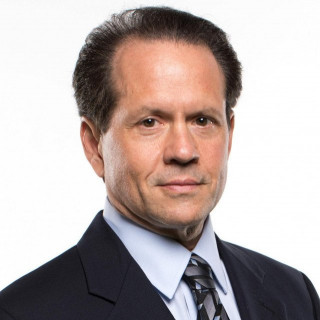
Jack G. Bernstein, Esq. has been protecting the rights of injured victims and their families for over 40 Years.
What Our Clients Say
I had a fantastic experience with Jack Bernstein injury attorney firm! The team was incredibly smart and supportive, guiding me through every step of my case. Their expertise and dedication made a significant difference in the outcome of my situation. I truly appreciate their assistance and highly recommend their services to anyone in need of a top-notch injury attorney.
– Ashley Sonson
Slip and fall accidents happen at gas stations across Las Vegas, not just Circle K. If you were injured at another location, Jack Bernstein handles gas station slip and fall cases throughout the valley.
What to Do Immediately After a Fall at Circle K
The evidence needed for your case starts disappearing the moment you fall. Taking these steps can be critical to preserving your claim.
- Report the Incident: Inform the store manager or clerk on duty immediately. Ask them to file an official incident report and request a copy for yourself. Note the manager’s name and the exact time you made the report.
- Document the Hazard: Use your phone to take photos and videos of the exact hazard that caused you to fall. Take wide shots showing the location (e.g., in front of the fountain machine, at Pump #3) and close-ups of the substance (a fuel spill, a puddle from a leaking cooler, mopped water with no sign).
- Preserve Your Receipt: This is critical. Your receipt provides a timestamp and location, which is essential for demanding the correct security footage. Circle K’s security cameras often overwrite footage within 30-90 days, and your receipt is the key to identifying the right video file before it’s deleted.
- Identify Witnesses: Get the names and phone numbers of any other customers or employees who saw the fall or the hazard itself. Witnesses in a transient location like a gas station will be impossible to find later.
- Seek Medical Attention: Go to an emergency room or urgent care immediately, even if you feel “just sore.” Adrenaline can mask serious injuries like fractures or head trauma. This also creates an official medical record linking your injuries to the time and date of the fall.
- Preserve Physical Evidence: Seal the shoes and clothing you were wearing in a plastic bag. If you slipped on fuel, the gasoline residue on your shoes is proof. If you slipped on a fountain drink, the sticky syrup residue is different from clear water from a leaking freezer. This evidence helps counter a store’s claim that they “don’t know what you slipped on.”
Proving Circle K Was Legally Negligent
In Nevada, you don’t automatically have a case just because you fell at a Circle K. Under premises liability law (NRS 41.130), we must prove four specific elements to establish that Circle K was negligent.
We apply these elements to the specific operational realities of a gas station:
- A Dangerous Condition Existed: This is the hazard itself. At a Circle K, this often includes:
- Spills from the fountain drink or coffee stations.
- Condensation and leaks from freezers and refrigeration units.
- Rainwater or tracked-in moisture at the store entrance.
- Gasoline, oil, or antifreeze spills at the fuel pumps.
- Cracked pavement, potholes in the parking lot, or broken concrete curbs.
- Circle K Knew or Should Have Known About It: This is the most contested element. We prove this by showing:
- Actual Knowledge: An employee saw the spill and ignored it.
- Constructive Knowledge: The hazard existed for so long that a reasonable employee should have found it. A coffee spill that just happened is hard to prove. A large puddle from a slowly leaking freezer that’s been there for an hour is negligence.
- Circle K Failed to Fix It or Warn You: The store failed to take reasonable steps. This means they didn’t clean the spill in a timely manner, didn’t place “Wet Floor” signs, or didn’t cone off a dangerous area.
- This Failure Directly Caused Your Injuries: We must show a direct link between the hazard (e.g., the unmarked fuel spill) and your injuries (e.g., the fractured hip you sustained when you fell).
What Factors Can Make a Circle K Case Harder?
Honesty is critical in these cases. While many falls are due to store negligence, some factors can make proving your claim more challenging:
- You Ignored Warning Signs: If Circle K had placed highly visible “Wet Floor” signs or coned off the hazardous area, and you proceeded anyway.
- The Hazard Was “Open and Obvious”: If the hazard was something a reasonable person would be expected to see and avoid (e.g., a large, brightly colored display in a wide-open aisle).
- Insufficient Time: If another customer spilled a drink and you fell 10 seconds later, Circle K likely didn’t have a reasonable amount of time to discover and fix it.
- You Were Distracted: If evidence shows you were looking at your phone and not where you were walking.
- You Were in an “Employees Only” Area: The store’s legal duty of care is different in restricted areas.
Even with these factors, you may still have a case depending on the specifics. Don’t decide on your own—let us evaluate the facts for free.
How We Counter Circle K’s Defenses
Do not assume you don’t have a case if one of those factors seems to apply. Insurance companies are paid to find reasons to deny your claim. We are paid to find the truth.
The most common defense is “The Open and Obvious Defense.” The insurer will claim the hazard was obvious and you are at fault for not seeing it.
This is a tactic to blame you for their client’s negligence. We counter this defense by proving:
- Stores Are Designed for Distraction: Convenience stores are intentionally designed to pull your attention away from the floor. You are expected to be looking at aisle markers, price tags, and promotional displays, not constantly scanning the ground for hazards.
- The Hazard Was Not Truly Obvious: A pool of clear water from a leaking freezer on a light-colored or reflective tile floor is not obvious to a customer. Likewise, a small gasoline spill on dark, rain-slicked asphalt is nearly invisible.
- The Store Knew About the Pattern: Even if a hazard seems obvious (like a poorly placed floor mat), we can investigate internal maintenance logs and employee reports to show that Circle K knew that specific mat always bunched up or that freezer always leaked, creating a recurring, documented hazard they failed to permanently fix.
The Operational Realities: Why Negligence Happens at Circle K
After 40+ years of handling personal injury claims, Jack Bernstein recognizes the patterns that lead to injuries. Gas station falls are rarely “accidents”; they are often the predictable result of specific operational failures.
The Solo Graveyard Shift
Many 24/7 Circle K locations in Las Vegas operate with a single employee during the graveyard shift (e.g., 10 p.m. to 6 a.m.). That solo clerk is responsible for running the cash register, managing fuel transactions, monitoring for theft, and stocking shelves. They cannot leave the register to conduct regular floor inspections or clean spills, leaving hazards to accumulate for hours.
Predictable Hazard Zones
We investigate negligence based on the store’s high-risk zones:
- Fountain/Coffee Stations: These areas are a constant source of spills from ice dispensers, soda nozzles, and coffee machines. Condensation also builds on the floor.
- Refrigeration Units: Leaking freezers or open coolers create puddles that can spread across aisles.
- Entrances/Exits: Rain from monsoon storms and moisture from 24/7 mopping can make entryways slick, especially if mats are saturated or missing.
- Fuel Pumps: Customers spill gasoline and oil, and cracked hoses or leaky pumps can create dangerous, slippery surfaces that are hard to see at night.
The Las Vegas 24/7 Factor
Unlike businesses that close for nightly deep cleaning, 24/7 Las Vegas gas stations never stop. This continuous operation means hazards can persist for hours, and cleaning is often done piecemeal during active business hours, creating its own set of “wet floor” hazards for customers to navigate.
Why Gas Station Falls Cause Such Severe Injuries
A fall at a Circle K is often more severe than in other retail stores for one simple reason: the environment is unforgiving.
- Hard Surfaces: You are not falling on carpet or vinyl. You are falling on polished concrete inside the store or hard asphalt at the pumps. These surfaces have zero cushioning, absorbing none of the impact.
- Multiple Impact Points: In the narrow, cluttered aisles of a convenience store, you often don’t just hit the floor. You fall into other hard objects on the way down, such as:
- Metal shelving units
- Concrete curbs or bollards
- Fuel pumps and dispensers
- Store counters
This is why a “simple slip” can result in severe, life-altering injuries like fractured hips, broken wrists and ankles, herniated discs, and traumatic brain injuries (TBIs) from striking your head.
Who is Liable? The Circle K Franchise vs. Corporate Structure
One of the first things insurance companies do is try to confuse the issue of liability. Many Circle K stores are franchises—owned and operated by a local, smaller business. However, the corporate parent, Alimentation Couche-Tard (one of the world’s largest convenience store operators), is also involved.
- The franchisee (local owner) is typically responsible for daily operations, like staffing and cleaning.
- The corporation (Alimentation Couche-Tard) is often responsible for store layout, employee training requirements, and corporate safety policies.
If you were injured because a franchisee was negligent (like failing to staff a shift), they are liable. But if you were injured because of a dangerous store layout or a failed corporate safety policy, the corporation may also be liable. We have the experience to investigate this complex structure and identify all responsible parties to maximize your potential recovery.
Protecting You From Insurance Company Tactics
Soon after your fall, you will likely get a call from an insurance adjuster representing Circle K’s franchisee or corporation. They are not calling to help you.
- The Recorded Statement Trap: They will ask for a “quick recorded statement” to “get your side of the story.” This is a trap. Their questions are designed to get you to say things that damage your case, like “I guess I wasn’t looking where I was going” or “I feel fine.” Do not give a recorded statement. You can politely say: “I am focusing on my medical treatment and will have my attorney contact you.”
- The Quick Settlement Offer: If your injuries are clear, they may offer you a fast check for a few thousand dollars. This offer is a fraction of your case’s true value and comes before you know the full extent of your injuries or future medical needs. If you accept, you sign away your right to any future compensation.
What Compensation Can You Recover?
We fight to recover compensation for every way this injury has affected your life. In Nevada, you may be entitled to recover damages for:
- Economic Damages: These are your calculable financial losses.
- All current and future medical bills (ER visits, surgery, physical therapy)
- Lost wages from missed work
- Loss of future earning capacity if you are permanently disabled
- Non-Economic Damages: These compensate you for the human impact of the injury.
- Physical pain and suffering
- Emotional distress and anxiety
- Loss of enjoyment of life (e.g., you can no longer hike, play with your kids, or travel)
- Permanent scarring or disfigurement
Every case is different, and no attorney can guarantee a specific amount. We conduct a thorough investigation to determine the full value of your claim.
Frequently Asked Questions (FAQ)
Q: How long do I have to file a slip and fall lawsuit in Nevada?
You have two years from the date of the injury to file a lawsuit (NRS 11.190). However, you cannot wait two years to act. The most critical evidence, especially security footage, will be deleted within 30-90 days. You must contact an attorney immediately to send a legal “spoliation letter” that demands Circle K preserve this evidence.
Q: What if I was partially at fault for my fall?
Nevada follows a “modified comparative negligence” rule (NRS 41.141). You can still recover compensation as long as you were not 50% or more at fault. Your recovery is simply reduced by your percentage of fault. For example, if you are found 10% at fault and your damages are $100,000, you would receive $90,000. This is a hypothetical example for illustrative purposes only. Actual outcomes depend on the specific facts of your case.
Q: How much does it cost to hire Jack Bernstein?
We handle all personal injury cases on a contingency fee basis. This means you pay no attorney’s fees unless we win your case. There are no upfront costs or hourly bills. We advance all costs for investigation and experts, and we are only paid a percentage of the settlement or verdict we recover for you. Your initial consultation is 100% free.
Q: This is my regular Circle K. Will they ban me if I file a claim?
This is a common and valid concern. It is extremely rare for a major corporate chain like Circle K to “ban” a customer for filing a legitimate injury claim. It creates a terrible public image and can look like retaliation in court. Your right to be compensated for an injury caused by their negligence is protected by law.
Take the First Step Today – It’s Free
When you’re injured at a major chain like Circle K, you are not just up against a local store owner; you are up against a massive corporation and its aggressive insurance companies. You need an attorney who knows their playbook.
With 40+ years as a personal injury attorney, Jack Bernstein has seen the patterns of [gas station negligence]([Please insert T2 Gas Station Hub Page URL here]). He understands how understaffing, poor maintenance, and a 24/7 operational model lead to predictable, preventable injuries. He knows how to dismantle the “franchise defense” and hold the right parties accountable.
Contact us today for a free, no-obligation consultation. We will listen to your story, review the facts of your case, and give you an honest assessment of your legal options.
Call 24/7: (702) 633-3333 Or fill out our simple online form for a callback.
Don’t wait until the evidence is gone. Jack’s got your back!