If you fell at Town Square Las Vegas, figuring out who’s responsible depends on two questions most people don’t think to ask: Where exactly did you fall? And what were the conditions when it happened?
Town Square isn’t a typical enclosed mall. It’s a 100-acre outdoor lifestyle center with 26 separate buildings, cobblestone walkways, multiple parking lots and garages, a children’s park with a splash pad, and outdoor dining areas. Every surface is exposed to Las Vegas weather: 115°F summer heat, monsoon rain, and temperature swings that affect walking surfaces in ways indoor malls never face.
Where you fell determines who’s liable. Outdoor common areas (walkways, parking lots, the children’s park) are the property owner’s responsibility. Inside a store is the tenant’s responsibility. Transition areas between buildings and outdoor walkways may involve both.
With 40+ years as a personal injury attorney, Jack Bernstein understands how outdoor shopping center claims differ from typical mall cases and what evidence matters when weather and surface conditions contribute to your fall.
Why Hire Jack Bernstein Injury Lawyers?
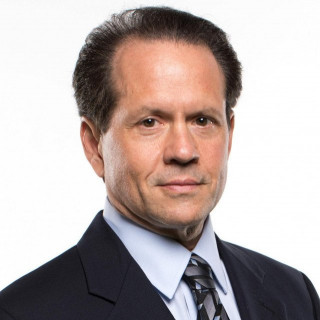
Jack G. Bernstein, Esq. has been protecting the rights of injured victims and their families for over 40 Years.
What Our Clients Say
I had a fantastic experience with Jack Bernstein injury attorney firm! The team was incredibly smart and supportive, guiding me through every step of my case. Their expertise and dedication made a significant difference in the outcome of my situation. I truly appreciate their assistance and highly recommend their services to anyone in need of a top-notch injury attorney.
– Ashley Sonson
What To Do Right Now (Before Evidence Disappears)
Security footage is your most critical evidence, and it typically overwrites every 30-90 days. Town Square has camera coverage throughout common areas, parking structures, and the children’s park. Without a formal preservation request from an attorney, this footage will be permanently deleted. Take these steps immediately:- Report to property management AND the store (if applicable). Town Square is managed by Fairbourne Properties. Get the incident report number in writing. If you fell inside or near a store entrance, report to both property management and the store manager.
- Document the conditions. This matters more at outdoor centers than indoor malls. Was the surface wet from rain, irrigation, or the nearby splash pad? Were pavers uneven or lifted? Was lighting adequate? Take photos showing the specific conditions that contributed to your fall.
- Note the time of day. Morning irrigation, afternoon heat, evening lighting levels, and recent weather all affect outdoor surfaces. A wet walkway at 7am from irrigation is different from a wet walkway at 3pm from a monsoon storm. Document when your fall occurred.
- Keep any receipts. Timestamps help identify which security cameras captured your fall. Parking garage receipts establish when you arrived and where you parked.
- Get witness information. Town Square draws mostly local visitors who return home to the Las Vegas area, but they still become hard to locate. Get names and contact information before people leave.
- Seek medical attention within 24 hours. Outdoor surfaces (concrete, pavers, asphalt parking lots) cause serious impact injuries. Document the connection between your fall and your injuries.
Who Is Liable At Town Square?
Town Square’s ownership structure is straightforward, but the 100-acre outdoor layout creates more liability zones than a typical enclosed mall. Outdoor common areas = Property owner (TIAA/Fairbourne Properties)- Walkways and pedestrian paths between buildings
- Parking lots and parking garages
- Children’s park and splash pad area
- Town Square Park (pavilion, bridge, fountain area)
- Outdoor dining patios in common areas
- Entrances, exits, and building perimeters
- Anywhere past the store’s threshold
- The tenant controls that space and is responsible for maintaining it
- Store entrances where outdoor conditions affect interior floors (rain tracked in, heat affecting threshold areas)
- Outdoor dining patios that belong to specific restaurants
- Areas where store merchandise or displays extend into common walkways
Do I Have A Case Against Town Square?
Under Nevada premises liability law (NRS 41.130), property owners owe visitors a duty to maintain reasonably safe conditions. To prove negligence, four elements must be established:- A dangerous condition existed. Wet walkways from rain or irrigation, uneven pavers, cracks in concrete, pooling water in parking lots, inadequate lighting, debris on walking surfaces.
- The responsible party knew or should have known about it. The condition existed long enough that routine maintenance should have discovered it, or the property owner created it (irrigation timing, surface installation).
- They failed to fix it or warn you. No repair, no barriers, no warning signs, no adjustment to irrigation schedules during high-traffic hours.
- This directly caused your injury. You slipped, tripped, or fell on the specific hazard and were injured as a result.
Why Outdoor Conditions Strengthen Negligence Claims
Town Square’s outdoor design exposes visitors to hazards that simply don’t exist in enclosed malls. These aren’t random accidents. They’re foreseeable conditions that require specific maintenance protocols. Weather is foreseeable, not an excuse. Las Vegas summers regularly exceed 115°F. Monsoon season (July through September) brings sudden heavy rain that pools on outdoor surfaces. Morning irrigation on walkways can remain wet during high-traffic hours. These aren’t surprises. They happen every year on predictable schedules. When the property owner knows these conditions affect their outdoor surfaces and fails to adjust maintenance schedules, inspection frequency, or warning systems, proving negligence becomes more straightforward. Parking lots are property owner territory. Town Square has multiple parking lots and three parking garages spread across 100 acres. Falls in parking areas from uneven asphalt, potholes, pooling water, or inadequate lighting are premises liability claims against the property owner, and the maintenance standards are well-established. Children’s park creates specific duties. The children’s park includes a splash pad, climbing structures, slides, and a trampoline. Metal and plastic playground equipment absorbs Las Vegas summer heat and can reach dangerous temperatures during afternoon hours. Wet surfaces around the splash pad extend beyond the designated water area. Operating a children’s play area in Las Vegas summer conditions creates foreseeable risks that require appropriate warnings, surface treatments, or restricted access.What The Property Owner And Insurers Will Try
Town Square is owned by TIAA (85%), one of the largest institutional investors in the country, and Fairbourne Properties (15%), which also manages the property. This means substantial insurance coverage to pay valid claims and professional property management that should be maintaining documented safety protocols.The Weather Defense
Outdoor shopping centers often blame weather for slip and fall injuries: “It rained,” “The sun was hot,” “Monsoon season creates unpredictable conditions.” But operating an outdoor property in Las Vegas means weather isn’t unpredictable. It’s the permanent condition. Summer heat happens every year. Monsoon season is July through September every year. Morning irrigation happens on a schedule. Property owners who choose outdoor designs accept the maintenance obligations that come with weather exposure.The “You Should Have Noticed” Argument
Because Town Square is outdoors with visible weather conditions, defendants often argue visitors should have been more careful. But property owners can’t escape their duty to maintain safe conditions by claiming hazards were obvious. Uneven pavers aren’t always visible. Wet walkways from irrigation look like dry pavers until you step on them. The property owner’s duty to warn and maintain doesn’t disappear because visitors are outdoors.The Recorded Statement Trap
Within days, an insurance adjuster may call “just to check on you” and request a recorded statement. Their questions are designed to damage your case:- “What was the weather like that day?” (Trying to blame conditions you “should have expected”)
- “Did you notice the surface was wet/uneven?” (Getting you to admit the hazard was “obvious”)
- “Were you looking at your phone?” (Setting up a distraction argument)
What Compensation Could Be Available
If the property owner, a store tenant, or both were negligent, you may be entitled to recover both economic and non-economic damages. Economic damages (calculable losses): Medical expenses (emergency care, surgery, physical therapy, ongoing treatment), lost wages from missed work, future medical care if injuries cause permanent limitations. Non-economic damages (human impact): Physical pain and suffering during recovery, emotional distress from the accident, loss of enjoyment of activities you can no longer perform. Case value depends on your specific situation: injury severity, medical expenses, lost income, how clearly negligence caused your accident, and quality of evidence preserved. Every case is different. We evaluate your case’s potential value during a free consultation.Frequently Asked Questions
Q: I fell in the parking lot, not inside the shopping area. Can I still sue?
A: Absolutely. Parking lots are common areas maintained by the property owner. Falls from uneven asphalt, potholes, pooling water, or inadequate lighting are all premises liability claims against the property owner. Parking lot injuries are often more severe than indoor falls because of the hard asphalt surface.
Q: I fell near the children’s park or splash pad. Who is responsible?
A: The children’s park and splash pad are common areas maintained by the property owner (TIAA/Fairbourne Properties). If wet surfaces from the splash pad extended beyond the designated area or if the play surface was inadequately maintained, the property owner may be liable. Document the specific conditions involved.
Q: My child was injured on hot playground equipment. Is that a valid claim?
A: Potentially. Operating a children’s playground in Las Vegas summer heat creates foreseeable risks. If equipment reached dangerous temperatures during posted operating hours and no warnings were provided or access wasn’t restricted, the property owner may be liable for failing to address a known hazard. Document the time of day and seek medical attention for the injury.
Q: It was raining when I fell. Does that mean I can’t sue?
A: No. Rain doesn’t eliminate the property owner’s duty to maintain safe conditions. If water was pooling due to inadequate drainage, if walkways became unusually slippery, or if the property owner failed to place warning signs or close hazardous areas, they may still be liable. Weather is foreseeable in Las Vegas, especially during monsoon season (July through September).
Q: How long do I have to file a claim?
A: Nevada law gives you two years from your accident date (NRS 11.190). However, security footage typically deletes within 30-90 days, weather conditions change immediately, and evidence of surface conditions may be repaired or altered. Immediate action preserves your strongest case.
Q: How much does it cost to hire Jack Bernstein?
A: Nothing upfront. We work on contingency, meaning you pay no attorney fees unless we win. No hourly bills. We advance all case expenses and get reimbursed only from a successful result. Your consultation is free.
Why Jack Bernstein For Your Town Square Case
Outdoor shopping center claims require evidence that indoor mall cases don’t: weather conditions at the time of the fall, irrigation schedules, surface temperatures, lighting levels, drainage patterns. This evidence is time-sensitive. Weather changes. Surfaces dry. Conditions that caused your fall won’t exist when your case goes to trial.
Outdoor property defendants always try the same defense: “The weather caused it.” Jack knows how to flip that argument. Operating 100 acres of outdoor walkways in Las Vegas means weather isn’t unpredictable. It’s the permanent condition you accepted. If conditions were foreseeable, failure to prepare for them is negligence.
With 40+ years handling personal injury cases, Jack knows that outdoor premises liability claims require immediate documentation of conditions, not just the hazard itself. We work with investigators who photograph and measure surfaces, obtain weather records, request irrigation schedules and maintenance logs, and preserve the complete picture of what caused your fall.
We work on a contingency fee basis. You pay no attorney fees unless we successfully resolve your case. No upfront costs, no hourly bills.
Your consultation is free. We’ll evaluate your situation honestly, identify who’s liable, and tell you whether you have a case.
Contact Jack Bernstein Injury Lawyers:
- Call 24/7: (702) 633-3333
- Or request a callback through our online form
Evidence disappears fast. Weather conditions change immediately. Surface footage deletes within 30-90 days. Don’t wait. Jack’s got your back!