Resorts World Las Vegas stands as one of the most technologically advanced resorts on the Strip. Marketed as a high-tech, cashless marvel with its three Hilton-branded hotels (Hilton, Conrad, and Crockfords), massive LED exterior, and the “Famous Foods Street Eats” hawker center, it promises a frictionless, modern experience. However, technology cannot fix basic physics. The same “frictionless” design philosophy often applies to the floors, creating hazardous conditions for guests.
If you have been injured at Resorts World, you are facing a unique defendant. Owned by the Malaysian conglomerate Genting Group, this property operates differently than the old-guard MGM or Caesars casinos. You are not just up against a hotel; you are up against a global gaming giant that uses advanced surveillance and risk management algorithms to minimize payouts.
At Jack Bernstein Injury Lawyers, we understand the specific “new tech” risks at Resorts World. We know that while they focus on cashless gaming and app-based room service, they often neglect the physical reality of wet marble and spilled oil in their food halls. We fight to prove that their operational failures caused your injury.
Why Hire Jack Bernstein Injury Lawyers?
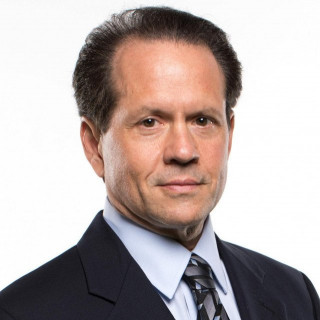
Jack G. Bernstein, Esq. has been protecting the rights of injured victims and their families for over 40 Years.
What Our Clients Say
I had a fantastic experience with Jack Bernstein injury attorney firm! The team was incredibly smart and supportive, guiding me through every step of my case. Their expertise and dedication made a significant difference in the outcome of my situation. I truly appreciate their assistance and highly recommend their services to anyone in need of a top-notch injury attorney.
– Ashley Sonson
What To Do Immediately After A Fall At Resorts World
Resorts World relies heavily on digital systems. You can use this to your advantage to preserve evidence that older casinos might not track.
- Report to security immediately: Do not just tell a restaurant manager. Demand Resorts World Security and insist on an official incident report.
- Preserve your Resorts World app data: Resorts World is a fully cashless casino environment linked to your Genting Rewards account. Your app history proves exactly where you were and when. It establishes your legal status as a guest and creates a digital timeline that is harder for them to dispute than a paper log.
- Photograph the floor texture: If you fell in The District (the retail area), photograph the high-gloss white stone. These floors are designed for Instagram aesthetics, not traction. Under the bright LED lighting, water spills become invisible.
- Capture “Famous Foods” conditions: If you fell in the street food hall, photograph the floor near the specific stall (e.g., Ah Chun or Fuhu Shack). Look for grease tracking. The concrete floors here are porous and can hold oil differently than tile.
- Act before footage deletion: Like most major gaming operators, Resorts World typically retains surveillance footage for 30 days. We must send a preservation letter immediately to stop this automatic deletion.
- Do NOT sign digital “incident resolution” forms: Resorts World’s risk management team may offer app-based compensation—room credits, dining credits, or “express resolution” through their digital concierge. These often contain liability waivers buried in the terms. Do not accept digital settlements or sign anything without a lawyer.
Operational Hazards: Why Falls Happen At Resorts World
Hazards are specific to the design and operations of Resorts World.
“Famous Foods” Hawker Center hazards
This is not a traditional food court; it is a bustling “street food” market with 16+ stalls.
- Self-service chaos: Unlike full-service restaurants, guests carry trays of steaming soup and greasy noodles through crowded, narrow walkways. Spills are frequent, and the “self-bussing” model means staff may not spot a spill until someone falls.
- Grease tracking: Stalls cooking with high heat (woks, fryers) often track airborne grease onto the surrounding concrete floor, creating a slick film that is hard to see but deadly to walk on.
- Peak hazard window (12 PM – 2 PM & 6 PM – 9 PM): The lunch and dinner rushes create a density of “tray traffic” that overwhelms cleaning crews.
The District: invisible water on white stone
The retail and dining corridor features pristine, high-gloss white flooring.
- The “snowblind” effect: The bright, modern lighting reflects off the white floor, creating a glare that masks clear liquid spills. A spilled water bottle or a drip from a cleaning cart is nearly impossible to distinguish from the floor’s natural sheen.
- Ayu Dayclub transition: Guests leaving Ayu Dayclub often cut through The District to reach the hotel elevators. They track pool water onto this super-slick stone, creating a slip hazard hundreds of feet from the pool.
Zouk Nightclub transitions
Zouk is a high-tech mega-club that exits directly into the resort.
- The “cashless” queue: Guests waiting to enter often handle phones for digital tickets and payments. Distracted crowds combined with spilled drinks in the queue lines create a high-risk environment.
- Shift change gaps: When the club lets out (around 4 AM), cleaning crews are often in the middle of their shift transition, leaving the main walkways vulnerable to accumulated spills.
Proving Negligence: Holding Genting Accountable
Under Nevada premises liability law (NRS 41.130), we must prove Resorts World failed in its duty of care. We must establish four specific elements:
- Dangerous condition: We identify the specific hazard. This could be grease tracking at Famous Foods, “invisible” water on the white District floor, or a transition hazard near Zouk.
- Constructive notice: We must prove they knew or should have known. Resorts World touts its “smart” capabilities. If their advanced camera systems tracked a spill for 15 minutes without deploying a porter, we use their own tech against them to prove notice.
- Failure to warn or fix: Did they place a “Wet Floor” sign? Was it visible against the glare of the white floor?
- Causation: We must prove the specific hazard directly caused your injury. We connect the grease or water to your fall, ruling out other factors like footwear or pre-existing conditions.
Types Of Compensation You May Recover
A fall at a modern luxury resort creates complex damages. We fight to recover the full scope of your financial and personal losses.
Standard damages (all cases)
- Economic damages: Coverage for emergency room visits (often at Sunrise or UMC Trauma), surgery, physical therapy, ongoing treatment, prescription medications, and lost wages.
- Non-economic damages: Compensation for physical pain, emotional distress, loss of enjoyment of life, and permanent scarring.
Tourist-specific damages
Most Resorts World guests are visiting from out of state or internationally. We fight for damages that reflect the travel disruption. This includes costs for medical evacuation to your home state, extended luxury lodging if you are medically unable to fly (we argue you should stay at a Conrad-level property, not a motel), reimbursement for flight changes, and compensation for the lost vacation value of the trip you paid for but spent in a hospital.
Common Defenses
Resorts World is one of the most tech-forward properties on the Strip. Defense attorneys love to argue that guests were distracted by their phones.
The counter-measure (NRS 41.141)
We use Nevada’s Comparative Negligence law (NRS 41.141) to protect you.
Addressing the “phone distraction” argument:
They will claim you were looking at your screen, not the floor.
- Our response: Resorts World forces you to use your phone. It is a cashless casino where you order food, manage funds, and even access your room key via an app. They cannot design an ecosystem that demands your digital attention and then blame you for looking at the device they require you to use.
Addressing the “intoxication” argument:
- Our response: Like all casinos, Resorts World profits from alcohol service. Under NRS 41.141, even if you were drinking, you can still recover compensation as long as you were less than 50% responsible. We argue that a sober person would also have slipped on the invisible oil patch or the wet white marble.
Frequently Asked Questions
Q: How long do I have to file a lawsuit against Resorts World?
A: Nevada law gives you two years from the date of your accident to file a lawsuit (NRS 11.190). However, do not wait. Critical evidence disappears much faster. Digital logs and surveillance footage are typically deleted after 30 days. We need to send a preservation letter immediately to lock in the digital evidence that wins your case.
Q: Who do I sue? Genting, Hilton, or a tenant?
A: It can be a combination. Genting owns the property, but Hilton manages the hotel brands, and individual restaurants in Famous Foods may be third-party tenants. We name all relevant entities to ensure every insurance policy is triggered.
Q: Can I handle this case from my home state?
A: Yes. You do not need to stay in Las Vegas. We handle all filings, evidence preservation, and negotiations locally. We use video conferencing for meetings, allowing you to focus on your recovery at home while we deal with the Vegas legal system.
Take The First Step Today – It’s Free
Don’t let a fall at Resorts World ruin your life. Jack Bernstein Injury Lawyers has the experience to take on major global operators like Genting Group.
No upfront costs. No risk.
We work on a contingency fee basis. You pay nothing unless we recover compensation for you. We advance all case costs (investigation, expert witnesses, medical record retrieval) and only get reimbursed from a successful settlement or verdict. Your consultation is free with no obligation.
Contact Jack Bernstein Injury Lawyers today.
Call (702) 633-3333 or contact us online for a free, confidential consultation.
Jack’s got your back!