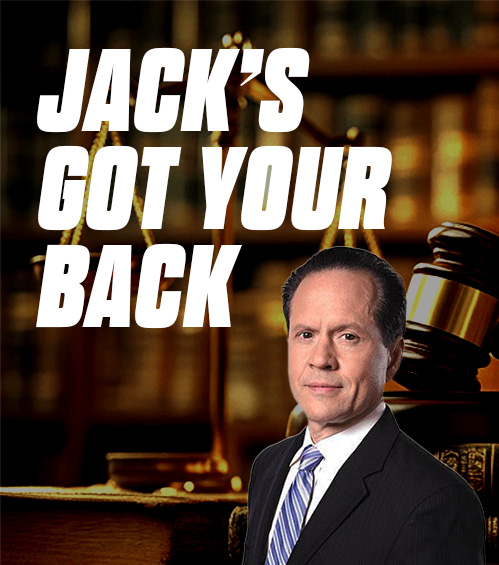
Why Hire Jack Bernstein Injury Lawyers?

Jack G. Bernstein, Esq. has been protecting the rights of injured victims and their families for over 40 Years.
What Our Clients Say
I had a fantastic experience with Jack Bernstein injury attorney firm! The team was incredibly smart and supportive, guiding me through every step of my case. Their expertise and dedication made a significant difference in the outcome of my situation. I truly appreciate their assistance and highly recommend their services to anyone in need of a top-notch injury attorney.
– Ashley Sonson
Major Las Vegas Properties We Litigate Against
We handle injury claims against all major Las Vegas resorts, organized here by their location on the Strip.
South Strip Resorts
Properties located near the airport and the “Welcome to Las Vegas” sign often see high foot traffic from arriving tourists.
- Mandalay Bay Slip and Fall Accidents – Wave pool and lazy river traffic frequently tracks significant water into hotel lobbies.
- Luxor Slip and Fall Accidents – Unique inclined walkways (inclinators) and dim lighting in the atrium can obscure floor hazards.
- Excalibur Slip and Fall Accidents – High family traffic volume increases the frequency of spills near transition zones.
- MGM Grand Slip and Fall Accidents – The sheer volume of foot traffic in the largest single-building hotel accelerates hazard accumulation.
Center Strip & CityCenter
The heart of the Strip features the densest concentration of pedestrians and complex walkway transitions between properties.
- Bellagio Slip and Fall Accidents – Conservatory maintenance and fountain mist can create unexpected slick spots on marble walkways.
- Caesars Palace Slip and Fall Accidents – Extensive polished stone flooring creates high-risk zones when fluids are spilled.
- The Cosmopolitan Slip and Fall Accidents – Multi-level architecture and heavy nightclub traffic create spill hazards on glass surfaces.
- CityCenter (Aria/Vdara) Slip and Fall Accidents – Highly polished surfaces and tram transitions offer little traction for pedestrians.
- Paris Las Vegas Slip and Fall Accidents – Uneven “cobblestone” style flooring in the retail districts creates unique tripping hazards.
- Planet Hollywood Slip and Fall Accidents – Dark lighting and steep grading in the “Miracle Mile” shopping areas can hide defects.
- Flamingo Slip and Fall Accidents – Worn flooring transitions near the wildlife habitat often present maintenance issues.
- The LINQ Slip and Fall Accidents – The open-air Promenade creates immediate slip hazards when rain or drinks are tracked indoors.
- Harrah’s Slip and Fall Accidents – Tight floor layouts and crowding contribute to unseen trip hazards.
North Strip & New Developments
This area includes both historic properties and massive new construction projects with unique operational risks.
- The Venetian / Palazzo Slip and Fall Accidents – Indoor canals and bridge transitions create humidity and uneven surface hazards.
- Encore / Wynn Slip and Fall Accidents – High-end polished surfaces combined with dayclub traffic create slippery transition zones.
- Resorts World Slip and Fall Accidents – New construction often presents settling issues and material failures not found in older properties.
- Fontainebleau Las Vegas Slip and Fall Accidents – New operational teams can lead to gaps in safety and maintenance protocols.
- Sahara Las Vegas Slip and Fall Accidents – Recent renovations have changed floor layouts, creating unexpected elevation changes.
- Treasure Island (TI) Slip and Fall Accidents – Heavy pedestrian flow from street-side attractions creates frequent maintenance gaps.
Off-Strip & National Brands
- Palms Casino Resort Slip and Fall Accidents – High-energy nightlife venues frequently result in wet surfaces in elevator banks.
- Marriott Hotel Slip and Fall Accidents – We handle claims against major non-gaming hotel chains which operate under different liability standards.
What to Do Immediately (Before You Leave the Casino)
Casino evidence disappears faster than in almost any other industry. Surveillance systems are sophisticated but often have aggressive deletion schedules (typically 30 days or less).
- Report the Incident Immediately: Notify security or a floor manager. Ensure an incident report is created and ask for the report number.
- Secure Your Time-Stamp: Keep your receipt (ATM, bar, restaurant) or player’s card record. This allows us to pinpoint the exact time and location of your fall, which is critical for demanding the preservation of specific camera angles before they are overwritten.
- Do Not Sign “Guest Recovery” Waivers: Hotel management may offer meal comps, room credits, or upgrades. Be extremely cautious—signing “satisfaction” forms can sometimes be used to argue you accepted a settlement.
- Identify Witnesses: Get contact information for dealers, servers, or other guests. Staff turnover in Las Vegas is high; the employee who saw your fall may not work there next month.
- Seek Medical Attention: Documenting your injuries immediately creates a clear timeline linking the trauma to the accident.
What Proves a Casino Was Negligent
To have a valid claim, we must prove four elements under Nevada premises liability law (NRS 41.130):
1. A Dangerous Condition Existed This goes beyond a simple spill. In casinos, dangerous conditions often include dim lighting that violates safety codes, worn carpet that creates trip hazards, or marble floors cleaned with incorrect wax solutions that reduce traction.
2. The Property Owner Knew (or Should Have Known) This is the concept of “Constructive Notice.” Casinos operate 24/7. If a spill sat on the floor for 45 minutes in a high-traffic area, the casino should have known about it. We investigate cleaning logs and surveillance to prove that staff ignored a hazard they had ample time to discover.
3. They Failed to Fix It or Warn You Did they fail to place “Wet Floor” signs? Did they delay repairing a leaking ceiling? Did they leave a broken glass on a dance floor? Failure to remedy a known hazard establishes negligence.
4. This Caused Your Injury Your injury must be a direct result of this specific hazard.
Operational Reality: Why Casino Floors Are Dangerous
Casinos are unique environments where operational choices directly impact safety. We investigate the specific factors that contributed to your fall:
Aesthetics vs. Safety (The “Ambiance” Hazard) Many resorts prioritize visual appeal over slip resistance. High-gloss marble and stone flooring are common in lobbies and walkways. While beautiful, these surfaces offer little traction, especially when wet. Combined with low lighting designed to enhance the gaming atmosphere, liquids on the floor can become nearly invisible to guests.
The “Comp” Trap: Service Recovery vs. Liability Major casino operators employ “Guest Recovery” teams. It is important to understand that these individuals are customer service specialists, not legal claims adjusters. Their goal is to smooth over a negative experience with room upgrades or show tickets. Accepting these offers does not pay for surgery or long-term physical therapy.
The Liability Web Liability in a casino is often complex. Housekeeping, escalator maintenance, and restaurant operations are frequently outsourced to third-party vendors. If you slip in a tenant restaurant or due to a vendor’s cleaning negligence, the casino may try to shift the blame. We investigate every layer of ownership to identify all responsible parties.
Types of Compensation Available
Injuries in Las Vegas resorts can result in significant financial and personal losses. We fight to recover:
Economic Damages
- Medical Expenses: Emergency care, surgery, hospitalization, and future rehabilitation costs.
- Travel Disruption: Costs associated with missed flights, extended hotel stays necessitated by injury, and transportation for medical care.
- Lost Income: Wages lost while you recover, including the value of vacation time used for recovery.
Non-Economic Damages
- Pain and Suffering: Compensation for physical pain and emotional distress.
- Loss of Enjoyment: Damages for the ruined vacation experience and the impact of injuries on your daily life.
Do I Have a Valid Case? (Self-Qualification)
Strong Case Indicators
- Lack of Warning: You fell on a wet floor with no yellow cones or barriers present.
- Duration of Hazard: Witnesses or video confirm the hazard existed long enough for staff to find it.
- Employee Negligence: A staff member created the hazard (e.g., dropped a tray, mopped without signs) and failed to address it.
- Defective Property: Tripping on torn carpet, broken tile, or an unlit step.
Common Defense: The “Intoxication” Argument Casinos often argue that a guest was drinking and is therefore at fault. However, under Nevada’s comparative negligence law (NRS 41.141), you can still recover compensation as long as you were not more than 50% at fault. Casinos have a duty to maintain safe premises regardless of whether guests are enjoying the nightlife. If a floor was dangerously slick and unmarked, the casino may still be liable.
Frequently Asked Questions
Q: I live out of state. Do I have to return to Las Vegas for every legal step?
A: Not necessarily. For clients who live outside Nevada, we strive to manage the legal process efficiently, often coordinating with local providers and handling court filings without requiring frequent travel. We communicate with you remotely while handling the legal work here in Las Vegas.
Q: How long do I have to file a claim?
A: In Nevada, the statute of limitations for personal injury is generally two years from the date of the accident (NRS 11.190). However, you should not wait to contact an attorney. Critical evidence, especially surveillance footage, is often deleted in 30 days or less. Acting immediately is essential to preserve the proof needed for your case.
Q: What if the casino offers me a quick settlement?
A: Be cautious. Initial offers are often made before the full extent of your injuries is known. If you settle too early, you may not have funds to cover future medical complications. Always consult with an attorney before signing any release forms.
Why Choose Jack Bernstein Injury Lawyers
Jack Bernstein has over 40 years of experience practicing personal injury law. He has represented thousands of clients against major corporations and insurance companies. He understands the tactics casino risk management teams use to minimize claims and knows how to build a case that holds them accountable.
- Contingency Fee Basis: You pay no attorney fees unless we win your case.
- Free Consultation: We offer a no-obligation review of your case to explain your rights.
Take the First Step Today – It’s Free
If you have been injured at a hotel or casino in Las Vegas, do not let a risk manager decide what your claim is worth. You need an experienced attorney who can navigate the complex liability of the hospitality industry.
Call Jack Bernstein Injury Lawyers today at (702) 633-3333.
Or fill out our online form to request a free consultation. Whether you are still in Las Vegas or back home, Jack’s got your back!